
When it comes to ensuring a steady water supply for your home or farm, choosing the right pump is crucial. Whether you need a pump for domestic water boosting, irrigation, or general water transfer, selecting the right type not only saves energy and time but also avoids unnecessary maintenance and replacements.
With so many options available, making the right choice may feel overwhelming. But don’t worry this guide will help you understand the key factors to consider and how to pick the perfect pump for your needs.
1. Understand Your Application
The first step in choosing a pump is understanding the specific purpose for which you need it. Different pumps serve different functions:
✔ Domestic Water Supply: You may need a self-priming mini monoblock pump or a pressure booster pump to supply water to your home, bathrooms, or overhead tanks.
✔ Agricultural Irrigation: For watering fields or gardens, centrifugal monoblock pumps or submersible pumps are more suited to handle large volumes of water.
✔ Water Transfer: If you need to transfer water from one place to another, such as filling a storage tank or draining a well, centrifugal or submersible pumps are ideal.
Clearly defining the purpose will narrow down your choices significantly.
2. Know the Type of Pump You Need
Once you know the application, you can choose from different types of pumps commonly used for homes and farms:
Self-Priming Mini Monoblock Pumps
Perfect for small domestic applications like pumping water to overhead tanks, gardens, or bathrooms. These pumps are compact, easy to install, and can lift water from shallow depths.
Pressure Booster Pumps
Ideal for homes where water pressure is low. A pressure booster pump ensures consistent water flow for showers, taps, and washing machines, enhancing daily comfort.
Centrifugal Monoblock Pumps
Known for their high efficiency and simple design, these pumps are widely used for irrigation, water transfer, and general farm use. They are easy to maintain and suitable for large water handling requirements.
Submersible Open-Well Pumps
These pumps are installed inside open wells and are ideal for irrigation or supplying large amounts of water. They are designed to operate while submerged, making them energy-efficient and long-lasting.
3. Calculate the Head and Discharge Requirements
Two critical technical factors you must consider are:
✔ Head: This refers to the vertical height the pump needs to lift water. It includes the total height from the water source to the delivery point, considering pipe bends and friction.
✔ Discharge: The volume of water the pump can deliver, usually measured in liters per minute (LPM) or liters per hour (LPH).
For example, if you want to fill a large overhead tank located on the second floor or irrigate a distant field, you’ll need a pump with higher head and discharge capacity.
4. Check Power and Voltage Compatibility
In many areas, especially rural locations, voltage fluctuations are common. Choosing a pump designed to operate efficiently at low voltage can prevent performance issues and motor damage.
For instance, pumps like those designed by Stark Pumps can operate smoothly even at voltages as low as 160V, making them ideal for Indian conditions.
Also, check the available power source—whether single-phase or three-phase—before finalizing your pump.
5. Consider Energy Efficiency
Pumps run for hours, especially on farms, so energy efficiency is a critical factor. An energy-efficient pump not only reduces electricity bills but also ensures a longer lifespan.
Look for pumps with:
✔ High-grade copper windings
✔ Branded bearings (such as SKF or FAG)
✔ Precision-machined components
These factors contribute to efficient operation and reduced energy consumption.
6. Look at Material and Build Quality
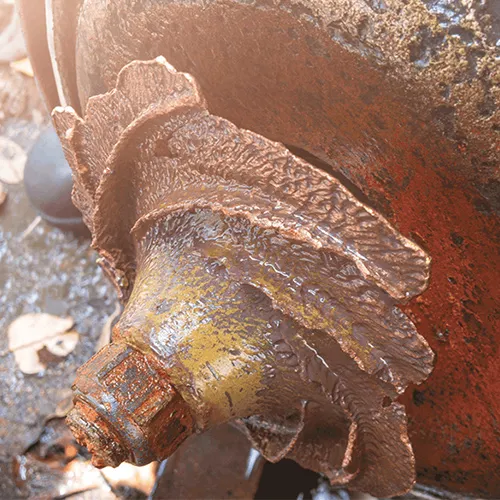
For long-lasting performance, the pump should be made with quality materials. Pumps made with corrosion-resistant components, precision-cast parts, and durable motors will last longer and require less maintenance.
For example, pumps with cast iron construction or aluminum body options offer excellent durability for different working conditions.
7. Assess Installation and Maintenance Requirements
Choose a pump that is easy to install and maintain, especially if you plan to handle the setup yourself. Self-priming pumps and mini monoblock pumps are generally compact and simple to set up, making them ideal for household use. Submersible pumps may require professional installation but offer hassle-free long-term performance once installed.
Also, check the availability of spare parts and service support in your area. A reliable after-sales service network is equally important for peace of mind.
8. Compare Brands and Models
Never settle for the cheapest option without comparing features, warranty, and brand reputation. Reliable manufacturers like Stark offer a wide range of pumps designed specifically for Indian homes and farms.
When comparing, focus on:
✔ Product specifications matching your requirement
✔ Energy consumption and discharge rates
✔ Warranty and service support
✔ Customer reviews and experiences
A well-researched decision helps avoid frequent breakdowns or poor performance.
9. Seek Expert Guidance if Needed
If you’re unsure, always consult a technical expert or the pump dealer. Share details like:
✔ Distance from water source
✔ Required head (vertical height)
✔ Number of taps, showers, or irrigation outlets
✔ Available power source
Based on this information, an expert can recommend the best pump model for your home or farm.
Conclusion
Choosing the right pump for your home or farm is not just about buying a product—it's about ensuring reliable water flow, reducing energy bills, and avoiding unexpected maintenance. By understanding your needs, comparing options, and paying attention to key factors like head, discharge, power, and material quality, you can invest in a pump that serves you efficiently for years. Take your time, do your research, and make an informed choice—your water management system depends on it.