
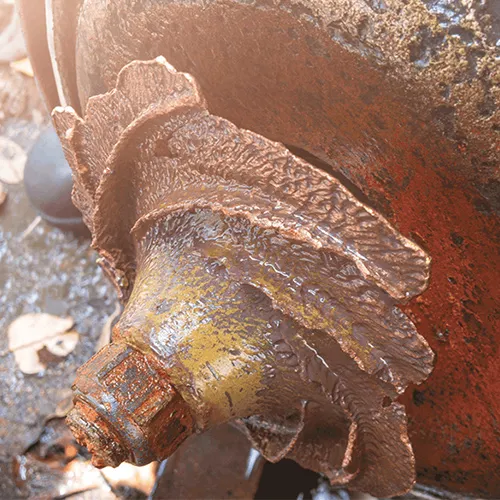
Water pumps play a crucial role in homes, farms, and industries by ensuring a steady water supply for daily use, irrigation, or operational processes. However, like any mechanical equipment, pumps are prone to failures if not selected, installed, or maintained properly. A failed pump can disrupt your water supply, lead to costly repairs, and cause unnecessary downtime.
The good news is that most pump failures are preventable. With the right understanding and care, you can avoid common issues and enjoy reliable performance for years to come.
1. Incorrect Pump Selection
One of the primary reasons pumps fail prematurely is choosing the wrong type of pump for the application. For example, using a mini monoblock pump for heavy irrigation or expecting a domestic booster pump to handle industrial water transfer will only lead to poor performance and early failure.
How to Avoid:
✔ Understand your exact water requirement—head, discharge, and application.
✔ Choose a pump that matches the specific need (domestic, agricultural, or industrial).
✔ Consult an expert or trusted manufacturer for guidance if unsure.
At Stark Pumps, our wide range includes self-priming mini pumps, centrifugal monoblock pumps, pressure boosters, and submersible pumps designed to suit various applications. Selecting the right model ensures long-lasting performance.
2. Running the Pump Dry (Dry Run)
Operating a pump without water inside—commonly known as dry running—is a sure way to damage the pump. The absence of water causes internal parts to overheat, leading to seal damage, impeller wear, and eventually motor burnout.
How to Avoid:
✔ Always ensure the pump is primed with water before starting.
✔ Use self-priming pumps where possible for ease of operation.
✔ Install dry-run protection devices to prevent accidental operation without water.
3. Poor Voltage Conditions
Fluctuating or low voltage is common in many parts of India, especially in rural areas. Pumps operating under such conditions experience motor stress, reduced efficiency, and eventually, motor failure.
How to Avoid:
✔ Choose pumps designed to perform efficiently at low voltage.
✔ Consider using voltage stabilizers if voltage fluctuations are frequent.
✔ Avoid using pumps beyond their rated power capacity.
Stark Pumps are specially designed to handle low voltage conditions, operating smoothly even at 160V, making them ideal for Indian environments.
4. Improper Installation
Incorrect installation can lead to performance issues, excessive vibrations, noise, and even structural damage to the pump over time.
How to Avoid:
✔ Follow the manufacturer’s installation guidelines strictly.
✔ Ensure proper alignment of the pump and motor.
✔ Use correct pipe sizes and secure all fittings properly.
✔ Seek professional help for submersible and large pump installations.
5. Overloading the Pump
Exceeding the pump’s recommended performance limits puts stress on the motor and impeller. This can lead to overheating, higher energy consumption, and ultimately failure.
How to Avoid:
✔ Never force the pump to lift water beyond its head capacity.
✔ Ensure the suction lift and discharge head are within the specified range.
✔ Regularly monitor pump performance to detect unusual operation.
6. Poor Maintenance Practices
Neglecting routine maintenance is one of the fastest ways to shorten a pump’s lifespan. Worn-out parts, clogged filters, or debris buildup can damage internal components.
How to Avoid:
✔ Clean and inspect the pump regularly.
✔ Replace worn parts like seals and bearings when needed.
✔ Ensure the pump area is clean and free from debris.
✔ Lubricate moving parts where applicable.
At Stark Pumps, we manufacture pumps using quality materials such as copper windings, branded bearings (SKF/FAG), and corrosion-resistant components, which reduces maintenance frequency. However, even with durable pumps, periodic checks are essential.
7. Using Poor Quality Products
Cheap, low-quality pumps may save you money initially but often fail quickly, leading to higher repair or replacement costs.
How to Avoid:
✔ Invest in pumps from trusted, established manufacturers.
✔ Check for quality features like branded bearings, high-grade copper windings, and precise machining.
✔ Look for products backed by a solid warranty and service support.
Stark Pumps, backed by four decades of engineering expertise from Stark Motors, ensures every pump undergoes strict quality checks for performance, durability, and reliability.
8. Ignoring Water Source Conditions
Pumps can also fail if the water source contains excessive sand, debris, or corrosive substances. These elements cause wear and tear to internal components, clogging, and motor damage.
How to Avoid:
✔ Use proper filtration for contaminated water sources.
✔ Select pumps suited for handling such conditions if filtration isn’t possible.
✔ Regularly clean suction pipes and filters to prevent clogging.
9. Lack of Timely Repairs
Small issues like unusual noise, reduced water flow, or overheating are often ignored until the pump completely stops working. This can turn minor repairs into major expenses.
How to Avoid:
✔ Address unusual signs or reduced performance immediately.
✔ Schedule periodic servicing with qualified technicians.
✔ Keep spare parts handy, especially for high-use applications.
Conclusion
Pump failures can be inconvenient, expensive, and disruptive—but most are avoidable with proper care. Choosing the right pump, installing it correctly, maintaining it regularly, and investing in quality products are key to trouble-free operation.
As a trusted name with over 40 years of engineering legacy, Stark Pumps offers high-performance pumping solutions designed for Indian conditions. Our products are built with quality materials, undergo strict testing, and come with reliable after-sales support to give you peace of mind.
Avoid costly pump breakdowns—choose the right pump, maintain it well, and enjoy years of uninterrupted performance